- info@dentcarecenter.com
- Zayed, Arkan Medical Building, New Extension, 7th floor, clinic C74 – Sheikh Zayed
- 01278510116

Oral Surgery
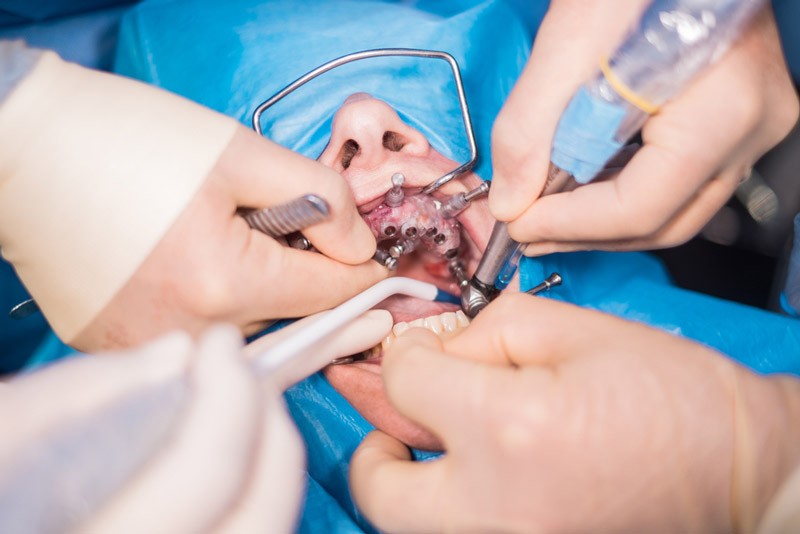
Oral Surgery
Treatment of dental injuries falls under the scope of oral surgery. It can be used in cases of using and fixing teeth that have been hit or injured. This is done with local anesthesia after an x-ray examination for the presence of other injuries and the nature of the patient's anatomy. Impacted teeth can be conditionally aqueous, often requiring removal of the remaining portion of the tooth and replacement with an implant.
The main function of oral surgery for young patients is the surgical removal of teeth and, above all, wisdom teeth. For elderly patients, dental implants play a prominent role above all. These operations can be performed with local anesthesia, and according to the patient's desire, they can also be performed while the patient is asleep or fully anesthetized.
Oral surgery is one of the specialties of dentistry and includes several subspecialties, including:
- Tooth extraction and minor oral surgery, such as wisdom tooth extraction, which are embedded under the bone
- Treatment of facial skeleton fractures resulting from accident injuries, pathological fractures, and others
- Treatment of infections resulting from dental problems such as swelling of the face as a result of the formation of abscesses
- Treatment of cysts, tumors and tumors of the salivary glands in the oral and maxillofacial area
- Orthognathic surgery Surgically adjusting the position of the jaw with orthodontic surgery, whether by traditional methods or lengthening the bone.
- Treatment of congenital malformations in the maxillofacial region, such as cleft lip and palate deformities
- Orthopedic implants and dental implants
- Jaw joint surgery
- Reconstructive surgery to replace lost tissues in the mouth and face and jaws